About Manigango
A small town at 3,880 m on the Kham Tibetan Plateau — an ancient pastoral crossroads now opening itself to the world.
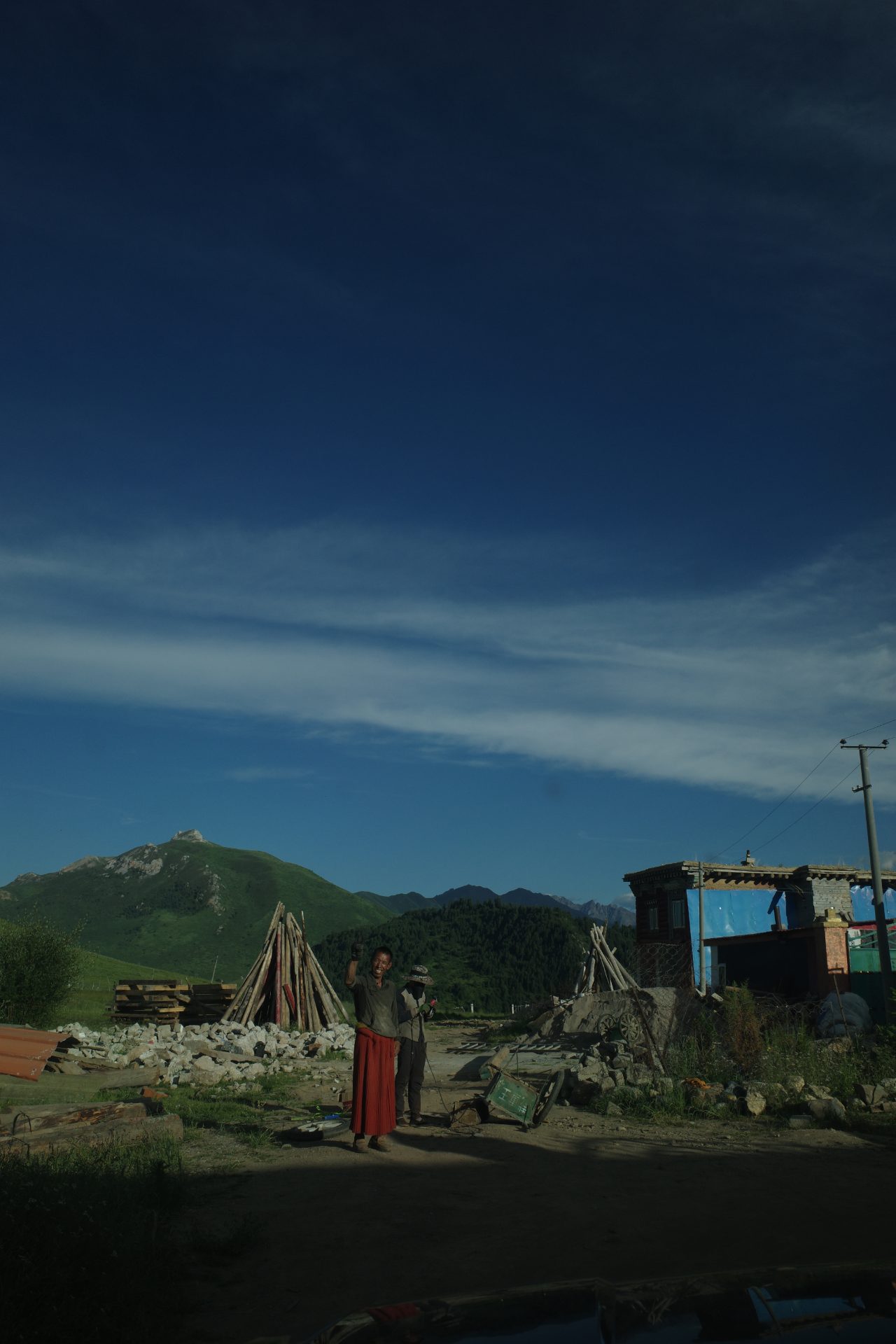
This is a town that has grown and gathered itself from the deep plateau. Vast and abundant, it is a kind of preserve of the earth. Rifts that opened here millions of years ago granted its people flatlands, meadows, and rivers; here too are mountains and lakes scattered everywhere, forests, exotic flowers, birds, insects, and rare wildlife, all thriving. Those mysterious valleys lie folded into the land like wrinkles, and even locals rarely walk them all.
Here, places without fences, tickets, or guide maps are the rule. There are only the unbroken mountain ranges, the rushing rivers, the boundless starry skies — and people whose way of life has not changed for a thousand years.
The hidden world is not far away. It is in those corners that have no name.
A History Unique to Manigango
Perhaps harsh — yet also romantic
From Pure Nomadism to Seasonal Migration
Residents of Dege County, where Manigango sits, traditionally lived by herding. In the past this was a purely pastoral region: herders moved with the seasons, driving yaks to the gorges in summer and the high mountains in winter, migrating between pastures with the turning of the year.
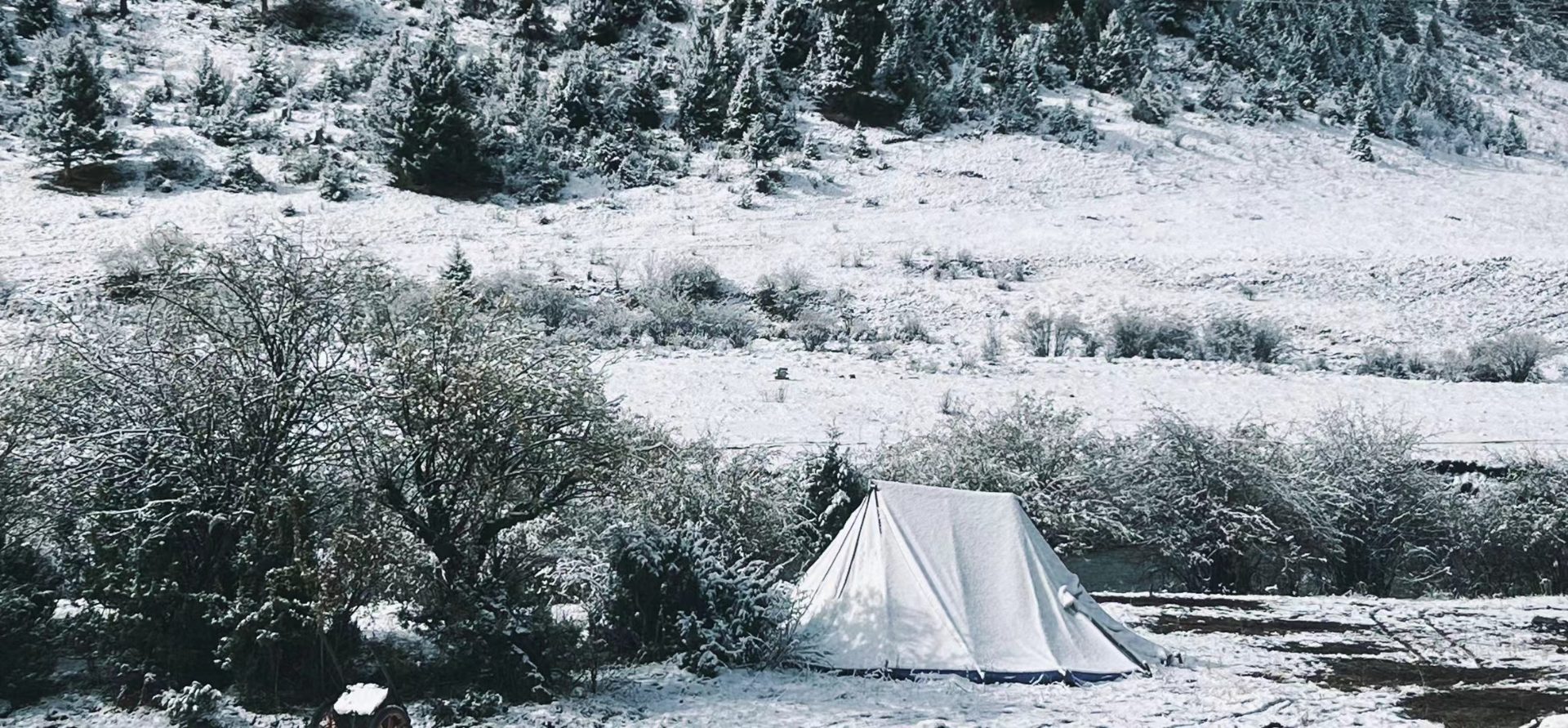
"Houses Built of Bark"
Gradually, a few people began to build fixed timber houses at the site of today's town. Locally known as "bhö-khang" (崩空) style dwellings, they are found chiefly in the Dege region. Because of the high altitude and severe cold, the early bhö-khang were typically single-storey, like matchboxes in shape. These simple, ancient buildings are the seed form of early Tibetan plateau architecture.
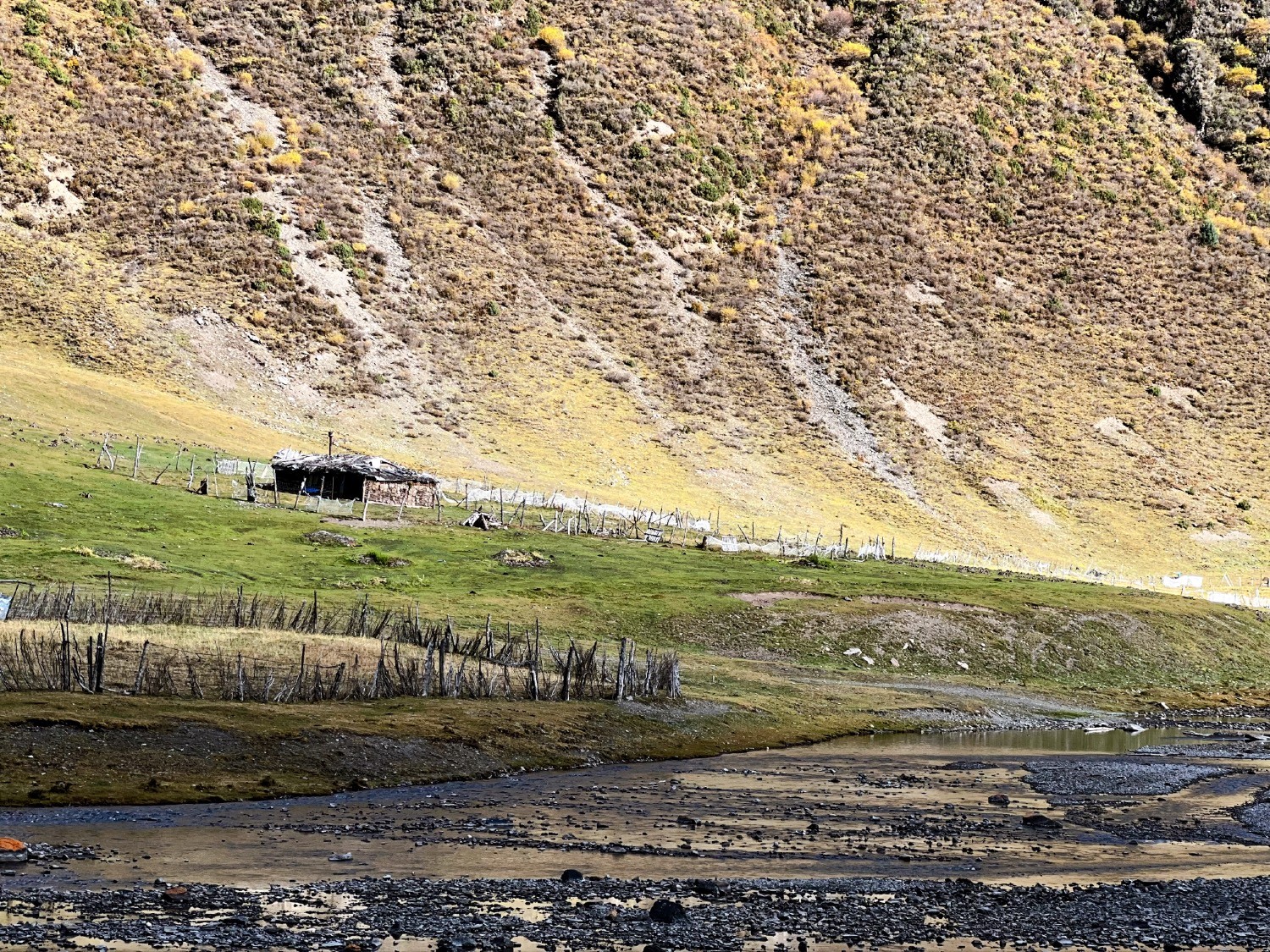
From Pasture to Market Town
In ancient times Manigango was an important post on the Tea-Horse Road. The Qinghai–Sichuan highway was completed in 1946 and the Sichuan–Tibet highway in 1950, both passing through here, making the town a crossroads joining Sichuan, Qinghai, and Tibet. With easier transport and gathering trade, the once-mobile yak-hair tents gave way to markets, inns, and permanent homes, and Manigango slowly shifted from a purely pastoral region to the small town it is today.
Main Menu — Wildness & Nature
Manigango lies deep in the Shaluli range of the Hengduan mountains. With an average elevation above 4,000 m, it is a wilderness of high peaks, glaciers, and gorges.
View details →① Where in China
Manigango's Location on the Map of China
Far northwest corner of Sichuan · eastern Dege County · 3,880 m above sea level
Blue dots = towns along the way · Orange dot = Manigango
② Routes to Manigango
From Chengdu to Manigango
Along National Highway 317 (northern Sichuan–Tibet route) westward · ≈ 750 km · every kilometer is beautiful
Blue dots = towns along the way · Orange dot = Manigango
How to get there
Three Ways to Reach Manigango
From Chengdu, about 750 km — pick fast, slow, or easy
By Air · Fastest
Chengdu Tianfu International → Gesarar Airport (GZG)
- Gesarar Airport GZG at 4,068 m elevation
- ≈ 50 km from Manigango (about 1 hour by car)
- Flight time ≈ 1 h 10 min
- Direct flights from Chengdu
After landing we recommend booking a private transfer in advance. Schedules shift by season — check current flights before you go.
Self-Drive · Most Freedom
Chengdu → G317 north line → Manigango
- Kangding · Zheduo Pass & the "running horse" song
- Tagong Grassland · Muya Golden Temple with Yala Snow Mountain
- Dawu · "Bhö-kö" Tibetan houses, the finest in Kham
- Luhuo · Xianshuihe wetlands and Kasa Lake
- Ganzi County · Yalong River gorge & Ganzi Monastery
- Manigango · edge of the grassland, with Chola Mountain
Plan 2–3 days of slow driving. Best in May–June and Sept–Oct; July–August rains bring landslide risk; winter has icy sections.
By Bus · Easiest
WeChat mini-program + bus station tickets
- Search the "川藏出行" mini-program in WeChat
- Chengdu Xinnanmen / Chadianzi bus stations
- Hop-on: Chengdu → Kangding → Ganzi → Manigango
- Usually 1–2 buses per day, departure times vary
You can also hire a car or share a ride locally (3–5 people is economical). In peak season, book 2–3 days ahead.